
Introduction
Have you ever purchased a skincare product because it looked attractive or was recommended by someone else, only to find that it didn’t work for your skin?
One of the biggest mistakes people make is choosing skincare products without understanding their skin type. Whether it’s a soap, face wash, moisturizer, or body wash, selecting products that match your skin type can make a significant difference in your skincare routine.
The good news is that you don’t need expensive tests or professional equipment to identify your skin type. With a few simple observations, you can understand your skin better and make smarter skincare choices.

🔍 What’s Your Skin Type? (Quick Quiz)
Before we begin, answer this simple question:
How does your skin feel 30 minutes after washing your face?
A. Oily and shiny
B. Tight and dry
C. Oily in some areas and dry in others
D. Comfortable and balanced
Your answer can give you an early clue about your skin type. Keep reading to learn more.
Why Knowing Your Skin Type Matters
Your skin type affects how your skin reacts to different products.
Knowing your skin type can help you:
✔ Choose products that suit your skin
✔ Build a simple skincare routine
✔ Avoid unnecessary irritation
✔ Understand your skin’s unique needs
✔ Spend money more wisely on skincare products
When you know your skin type, choosing skincare products becomes much easier.
💡 Did You Know?
Many people spend hundreds or even thousands of rupees on skincare products before learning their actual skin type. UndDry skin lacks sufficient moisture.erstanding your skin first can help you make better skincare choices and avoid unnecessary spending.
The 5 Main Skin Type
1. Normal Skin
Normal skin feels balanced and comfortable.
Common signs:
- Not too oily
- Not too dry
- Smooth texture
- Few visible skin concerns
People with normal skin often find it easier to maintain a simple skincare routine.
2. Oily Skin
Oily skin produces more oil than other skin types.
Common signs:
- Shiny appearance
- Enlarged pores
- Frequent breakouts
- Excess oil throughout the day
Oily skin may require products that help manage excess oil without over-drying the skin.
3. Dry Skin
Dry skin lacks sufficient moisture.
Common signs:
- Tight feeling after washing
- Rough texture
- Flaky patches
- Dull appearance
Dry skin often benefits from products that help maintain hydration.
4. Combination Skin
Combination skin includes both oily and dry areas.
Common signs:
- Oily forehead, nose, and chin (T-zone)
- Dry or normal cheeks
- Different concerns in different parts of the face
This is one of the most common skin types.
5. Sensitive Skin
Sensitive skin can react more easily to certain products or environmental factors.
Common signs:
- Redness
- Itching
- Irritation
- Burning sensation after using some products
People with sensitive skin often prefer gentle skincare products.

📊 Quick Skin Type Comparison
| Skin Type | Common Signs |
| Normal Skin | Balanced and comfortable |
| Oily Skin | Shiny appearance, enlarged pores |
| Dry Skin | Tightness and flakiness |
| Combination Skin | Oily T-zone and dry cheeks |
| Sensitive Skin | Redness and irritation |
Simple Tissue Paper Test to Identify Your Skin Type
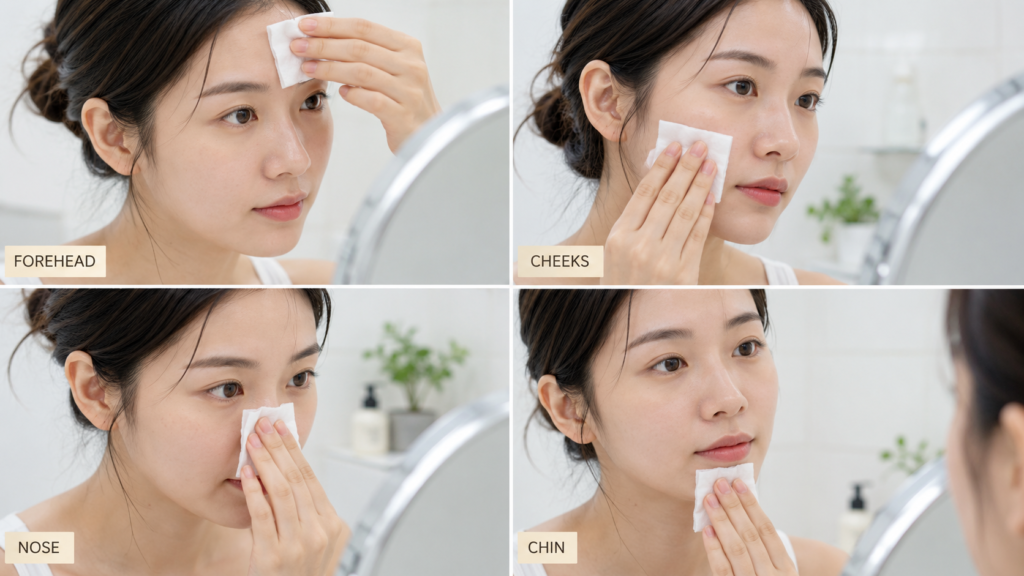
One of the easiest ways to identify your skin type at home is the tissue paper test.
Step 1 – Wash your face using a gentle cleanser.
Step 2 – Do not apply any skincare products.
Step 3 – Wait for about 30 minutes.
Step 4 – Gently press a clean tissue on different areas of your face.
Check Your Results:-
| Observation | Possible Skin Type |
| Little or no oil | Normal Skin |
| Oil on most areas | Oily Skin |
| Tight feeling with little oil | Dry Skin |
| Oil mainly on forehead and nose | Combination Skin |
| Irritation or redness | Sensitive Skin |
🚨 Signs You May Be Using the Wrong Product
Your skincare products may not suit your skin if:
❌ Your skin feels extremely tight after washing
❌ Your skin becomes excessively oily
❌ You notice frequent irritation
❌ Your skin feels uncomfortable throughout the day
❌ You experience unexpected breakouts
If you notice these signs, it may be worth reviewing your skincare routine.
🌟 Myth vs Fact
Myth
Oily skin does not need moisturizer.
Fact
All skin types need moisture. The key is choosing a moisturizer that suits your skin type.
Myth
People with dry skin should wash their faces less often.
Fact
Cleansing is important for all skin types. The focus should be on using suitable products rather than skipping cleansing
How to Choose Products Based on Your Skin Type
For Oily Skin
Look for lightweight products that do not feel heavy on the skin.
For Dry Skin
Choose products that help maintain moisture and hydration.
For Combination Skin
Look for balanced products designed for mixed skin concerns.
For Sensitive Skin
Choose gentle products and introduce new products gradually.
For Normal Skin
Maintain a simple and consistent skincare routine.

🎯 Try the 2-Minute Skin Type Challenge
Tonight, try this simple challenge:
- Wash your face.
- Wait 30 minutes.
- Stand in front of a mirror.
- Observe how your skin feels and looks.
- Compare your observations with the skin type descriptions in this guide.
You may discover your actual skin type in just a few minutes.
Frequently Asked Questions (FAQs)
Can my skin type change over time?
Yes. Factors such as age, weather, lifestyle, and skincare habits can influence your skin.
How often should I check my skin type?
You can reassess your skin type every few months or whenever you notice significant changes.
Do expensive products work better for every skin type?
Not always. The best product is one that suits your skin type and skincare goals.
Why is it important to know my skin type?
Understanding your skin type helps you choose products that better match your skincare needs.
Can I have more than one skin type?
Yes. Combination skin is very common and includes both oily and dry areas.
Final Thoughts
Understanding your skin type is one of the most important steps in building a healthy skincare routine.
Before purchasing new skincare products, take a few minutes to learn whether your skin is oily, dry, combination, sensitive, or normal. Once you understand your skin type, selecting suitable skincare products becomes much easier.
Remember, healthy skin starts with understanding your skin’s needs.
📢 Join the Conversation
What do you think your skin type is?
Normal, oily, dry, combination, or sensitive?
Share your experience in the comments below. We’d love to hear about your skincare journey.
Continue Your Skincare Journey
Now that you know your skin type, the next step is learning how to choose products that suit it.
👉 Read Next: How to Choose Skincare Products for Your Skin Type
Stay connected with Aarogvan for more skincare tips, ingredient guides, and healthy skin advice.
Pingback: Summer Skincare Routine for Beginners: Simple Daily Habits for Healthy Skin – Organic Skincare